
Layer 01
Direct 3D Printed Aligners
The flagship direction focused on precision, lower post-processing burden and better mechanical control for more demanding treatment scenarios.
Chizhili presents direct-printed aligners, smart aligner hardware and post-processing equipment as one connected public product matrix.
围绕设备、材料、算法与服务,建立统一的公开产品叙事框架。
把制造能力、监测逻辑与诊所侧协同拆成可理解的品牌证据。
Business Lines
These three lines are not isolated products. They form one continuous digital orthodontic system.
Layer 01
The flagship direction focused on precision, lower post-processing burden and better mechanical control for more demanding treatment scenarios.
Layer 02
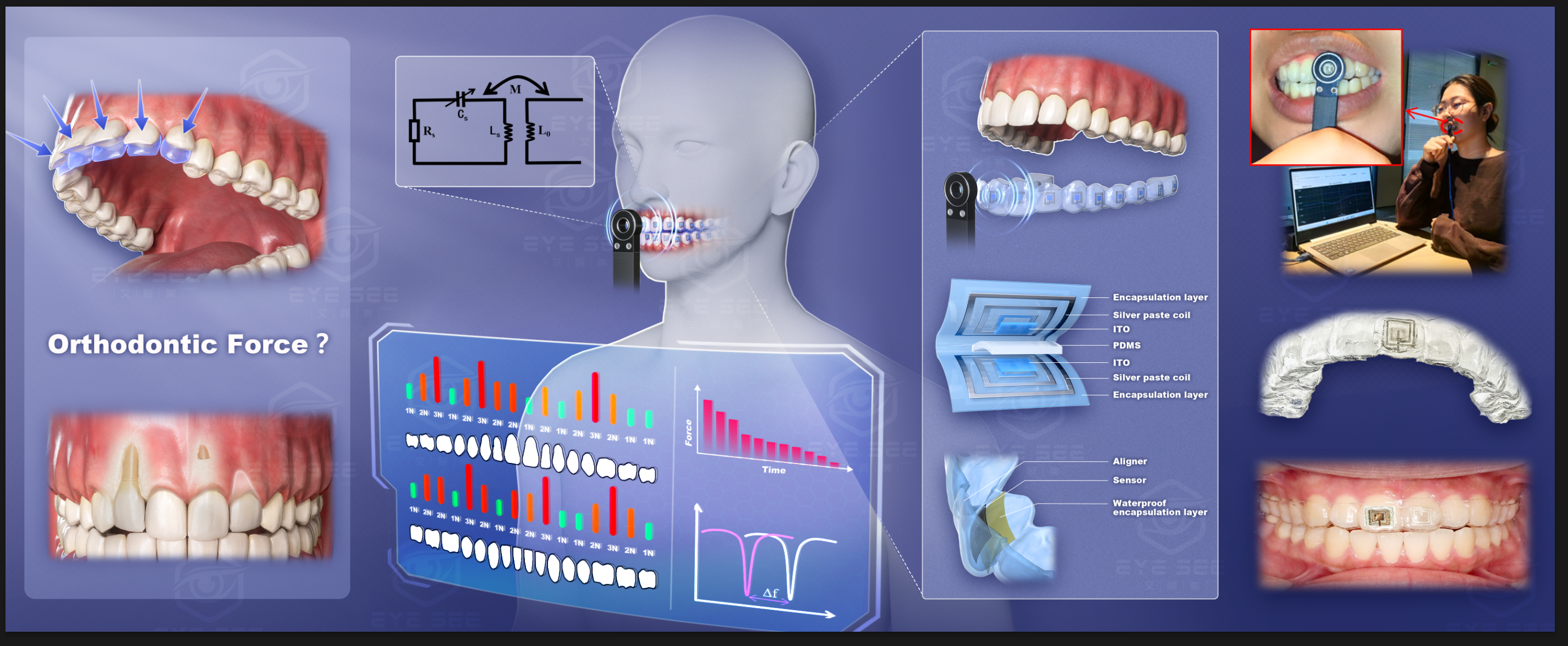
A monitoring platform that brings force sensing into review appointments and helps translate treatment progress into data-aware judgment.
Layer 03
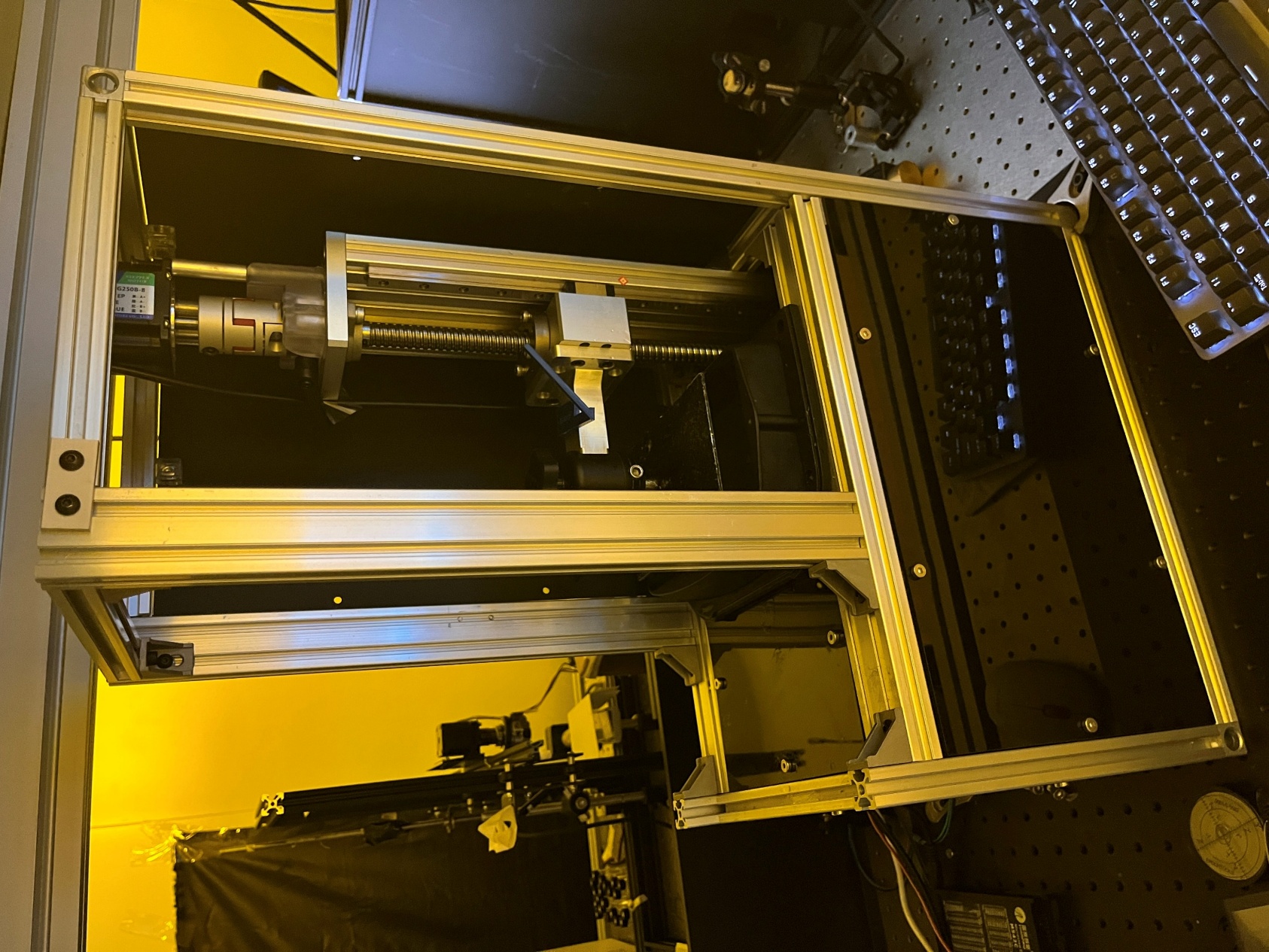
A clinic-side manufacturing chain that combines printing consistency with a more integrated post-processing workflow.
Technical Pillars
Translate manufacturing, sensing and data capability into public-facing proof points that can support the brand narrative.

Direct Print
Grayscale control helps create differentiated mechanical behavior inside one aligner and strengthens production consistency.

Force Sensing
Force conditions become readable, comparable and traceable at review visits instead of remaining invisible to the clinical workflow.

Data Loop
Real force information can become a long-term management asset that supports tracking, alerting and future optimization.
Platform Snapshot
These are public-facing positioning metrics rather than clinical efficacy claims.
Business Lines
Aligners, smart sensing hardware and printing with post-processing systems
Technical Pillars
Direct printing, sensing and data management work together
Closed Loop
The company narrative connects monitoring, production and data logic
Deployment
Industrial-grade consistency is translated into clinic-usable systems
Why It Matters
This section explains the value logic in language appropriate for a public-facing website.
| 能力项 | 产品能力原貌 | 官网公开页表达 |
|---|---|---|
| From static planning to dynamic force logic | Conventional workflows often focus on static shaping outcomes | Chizhili aims to introduce real force feedback into the treatment narrative rather than relying only on planned geometry. |
| From experience-based adjustment to data-assisted adjustment | Review visits often depend heavily on experience and patient feedback | The sensing system is meant to provide readable force conditions at key review points. |
| From fragmented manufacturing to clinic-side micro production | Printing, washing, curing and delivery are often separated | The equipment system integrates more of that chain to improve clinic-side consistency and delivery speed. |
Value Delivery
This helps clinicians, clinics and partners quickly understand what the system means for them.
Value Delivery
More refined force expression and force visibility help doctors better understand whether treatment is progressing as expected.
Value Delivery
Direct printing and integrated post-processing reduce operational fragmentation and improve consistency on the clinic side.
Value Delivery
Real force information can gradually become a reusable data asset for future monitoring and product evolution.